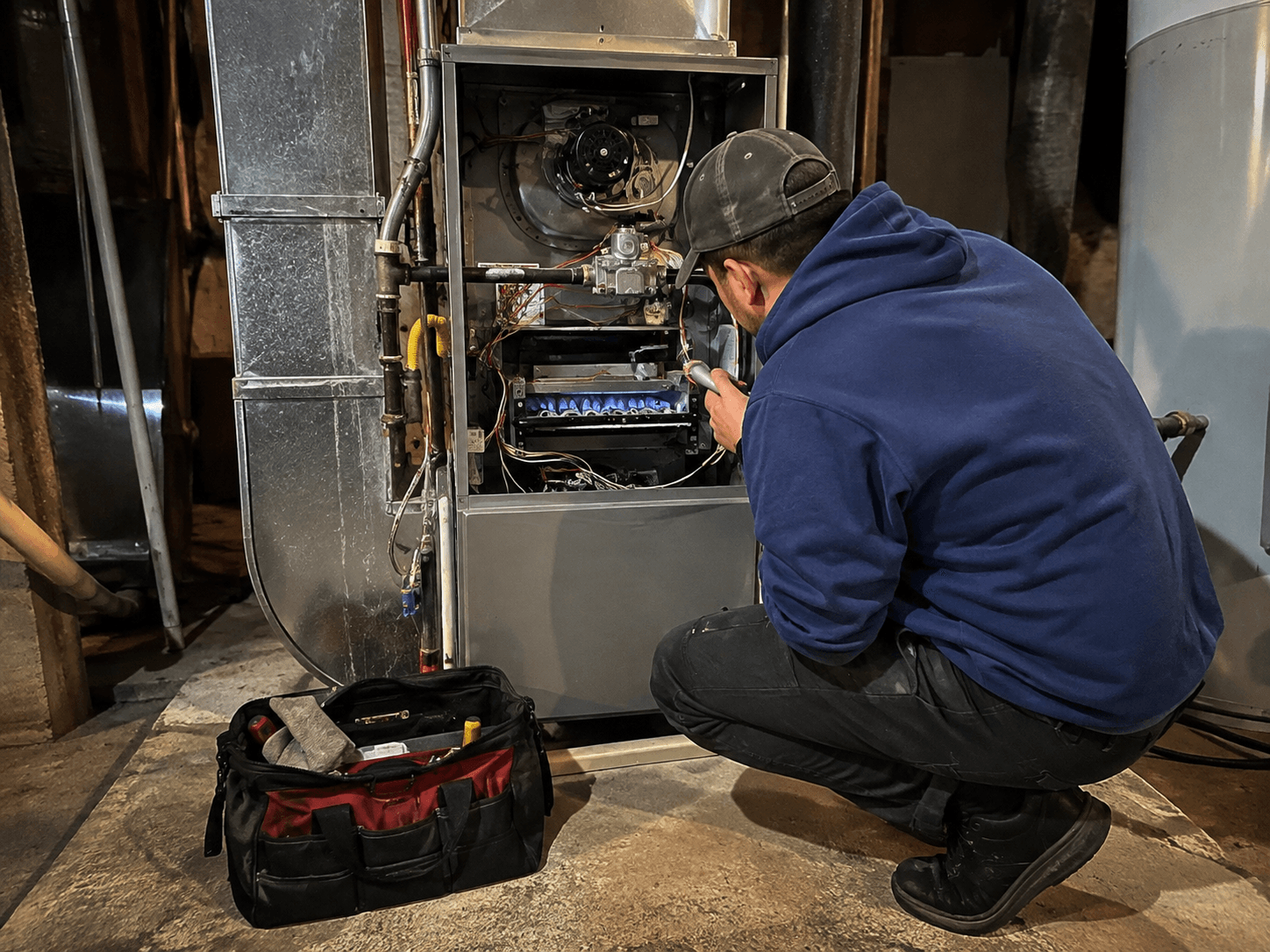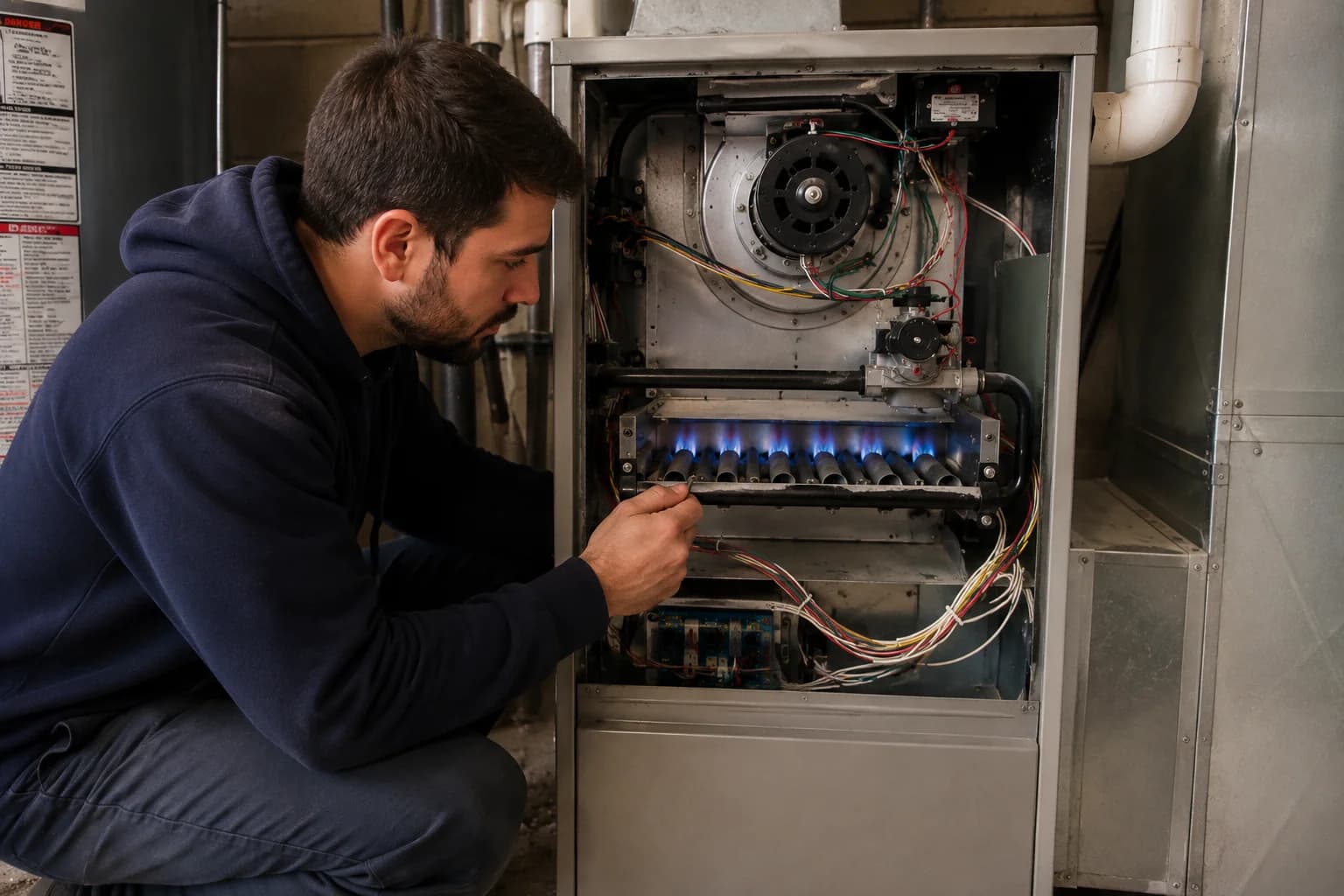

There are few things more frustrating than turning on your air conditioner during a Texas summer only to feel warm air coming from the vents. Whether you live in Dallas, Houston, Austin, Fort Worth, San Antonio, or Plano, a properly working AC isn't just about comfort—it's essential for staying safe during extreme heat.
Texas summers regularly bring temperatures above 100°F, and in cities like Houston, high humidity can make your home feel even hotter. Your AC system works harder here than in many other parts of the country, which means small problems can quickly turn into expensive repairs if they're ignored.
The good news is that warm air doesn't always mean you need a new air conditioner. In many cases, the issue is something simple that can be fixed quickly. Below are the ten most common reasons your AC is blowing warm air and what you can do about each one.
1. Your Thermostat Settings Are Incorrect
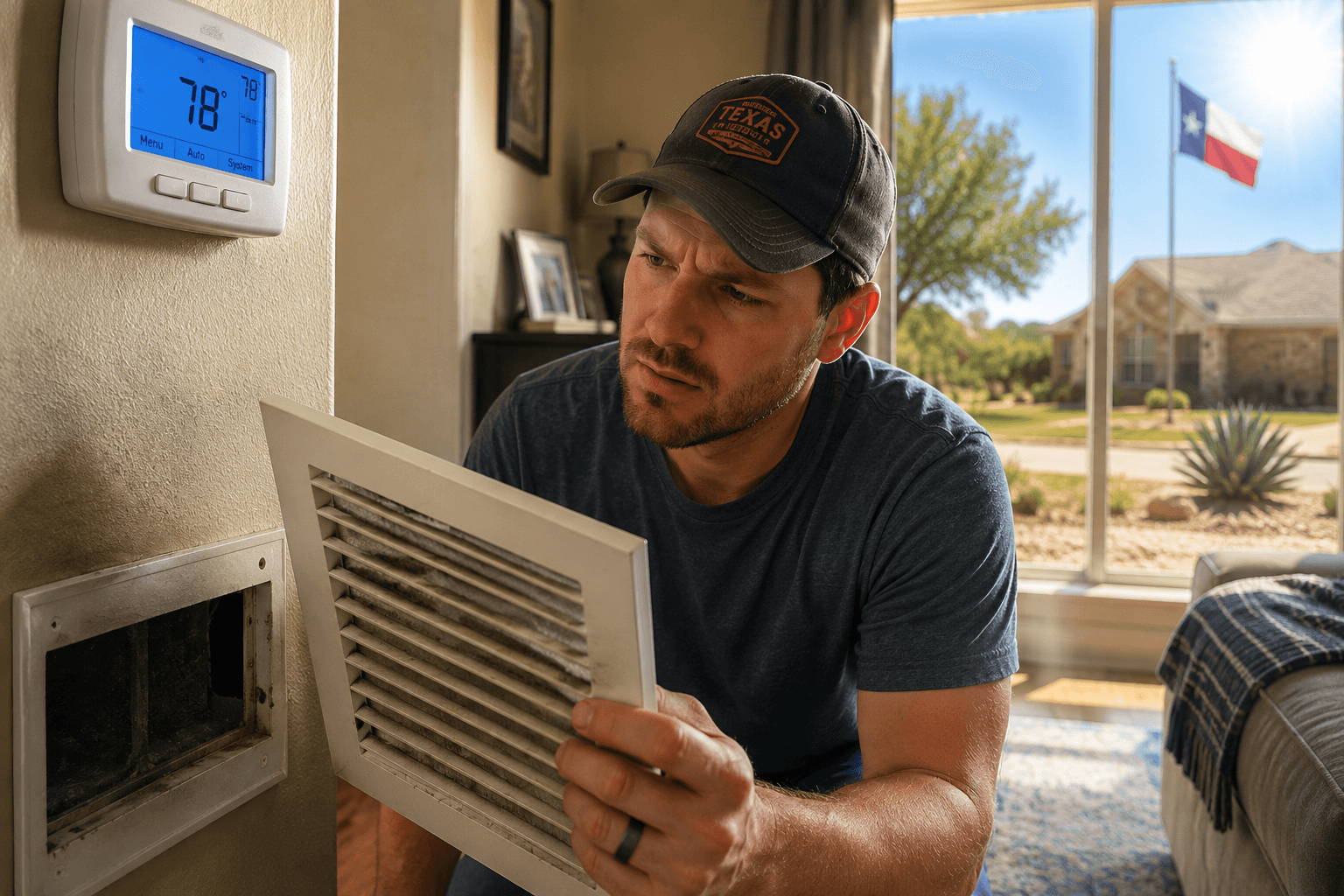
It may sound obvious, but thermostat settings are one of the most common causes of warm air.
Sometimes the thermostat is accidentally switched from Cool to Heat or Fan mode. When the fan is running without cooling, it simply circulates room-temperature air throughout your home.
What to Check
- Make sure the thermostat is set to Cool.
- Lower the temperature by 3–5 degrees below the current room temperature.
- Replace the thermostat batteries if needed.
If your thermostat is smart or programmable, verify that the schedule hasn't changed automatically.
2. A Dirty Air Filter Is Restricting Airflow
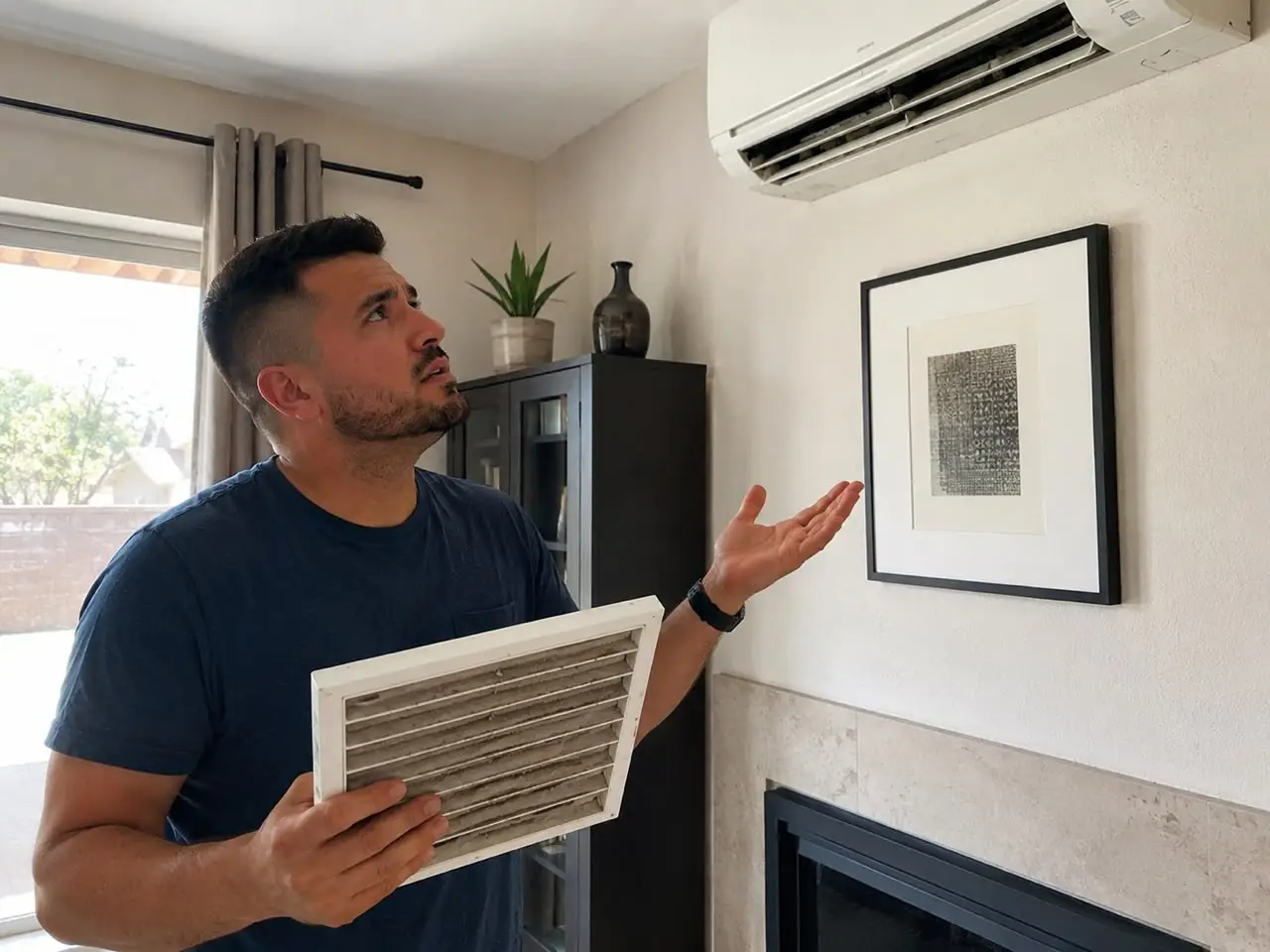
Texas homes collect dust, pollen, and allergens throughout the year. A clogged air filter restricts airflow, making it difficult for your AC system to cool your home efficiently.
When airflow is limited, the evaporator coil can become too cold and freeze. Once that happens, your AC may begin blowing warm air.
Solution
Replace your air filter every 1–3 months, especially during peak cooling season.
If you have pets or allergies, replacing filters more frequently can improve both comfort and indoor air quality.
3. Low Refrigerant Levels
Your air conditioner depends on refrigerant to remove heat from your home.
If refrigerant levels are low, there's usually a leak somewhere in the system. Simply adding more refrigerant isn't enough—the leak must be found and repaired first.
Common Signs
- Warm air from vents
- Ice on refrigerant lines
- Hissing sounds
- Longer cooling cycles
- Higher energy bills
A licensed HVAC technician should inspect and repair refrigerant leaks safely.
4. Dirty Outdoor Condenser Coil
The outdoor unit releases heat collected from inside your home.
Over time, grass clippings, dust, leaves, and dirt can cover the condenser coil, reducing its ability to release heat.
This is especially common in Texas due to strong winds, dry conditions, and heavy pollen during spring.
What You Can Do
Turn off the system and gently rinse the outdoor unit with a garden hose. Avoid using high-pressure water, which can damage the fins.
Professional cleaning during annual maintenance keeps the condenser working efficiently.
5. Frozen Evaporator Coil
A frozen evaporator coil cannot absorb heat properly, which means your AC may blow warm air after the ice begins melting.
Frozen coils are usually caused by:
- Dirty filters
- Refrigerant leaks
- Blocked vents
- Airflow restrictions
If you notice ice around the indoor unit, turn the system off and allow it to thaw before restarting it.
6. Electrical Problems
Modern air conditioners rely on multiple electrical components working together.
A failed capacitor, damaged contactor, blown fuse, or loose wiring can prevent the compressor from running while the indoor fan continues operating.
This creates a situation where warm air blows through the vents even though the system appears to be on.
Electrical repairs should always be handled by a qualified HVAC professional.
7. Clogged Condensate Drain Line
Texas humidity creates a large amount of condensation inside your AC system.
If the condensate drain becomes clogged with algae or debris, many newer systems automatically shut down cooling to prevent water damage.
Warning Signs
- Water around the indoor unit
- Musty smells
- AC suddenly stops cooling
- Warm airflow
Routine maintenance usually prevents this problem.
8. Leaky Air Ducts
Even if your AC is producing cold air, damaged ductwork can allow cool air to escape into the attic before it reaches your rooms.
This problem is common in older Texas homes.
Signs include:
- Uneven temperatures
- Weak airflow
- Hot rooms upstairs
- Higher electric bills
Professional duct sealing can improve comfort while reducing energy costs.
9. Compressor Problems
The compressor is often called the heart of an air conditioning system.
If it fails, the refrigerant cannot circulate properly, and the AC loses its ability to cool.
Common symptoms include:
- Loud noises
- Warm air
- Frequent breaker trips
- Outdoor unit running without cooling
Because compressor repairs can be expensive, an HVAC inspection is important before deciding whether to repair or replace the unit.
10. Your Air Conditioner Is Simply Too Old
Even the best-maintained air conditioner won't last forever.
Most residential AC systems have a lifespan of 10–15 years.
As systems age, efficiency declines, repairs become more frequent, and cooling performance drops—especially during the extreme Texas summer.
If your AC requires repeated repairs and struggles to keep your home comfortable, replacing it with a high-efficiency system may save money over time.
Why Texas Weather Is Tough on Air Conditioners
Texas has one of the harshest climates for residential cooling systems.
In Dallas and Fort Worth, long periods of extreme heat force air conditioners to run for hours every day.
Houston's high humidity makes cooling even more difficult because your AC must remove both heat and moisture from the air.
In Austin, rapidly changing temperatures during spring and fall can place additional strain on HVAC systems.
Meanwhile, homeowners in San Antonio and Plano often experience long cooling seasons that increase wear and tear on compressors, coils, and electrical components.
Because of these conditions, regular maintenance is far more important in Texas than in cooler states.
How to Prevent Your AC from Blowing Warm Air
A little preventive maintenance goes a long way.
Here are a few simple habits that can help keep your system running efficiently:
- Replace air filters regularly.
- Keep the outdoor condenser clean.
- Schedule professional AC maintenance every spring.
- Keep furniture away from air vents.
- Seal air leaks around doors and windows.
- Don't ignore unusual noises or weak airflow.
- Upgrade your thermostat for better temperature control.
These small steps can reduce repair costs, improve efficiency, and extend the life of your air conditioner.
When Should You Call an HVAC Professional?
Some problems are safe to troubleshoot yourself, but others require professional service.
Call an HVAC technician if:
- Your AC continues blowing warm air after changing the thermostat settings.
- Ice keeps forming on the refrigerant lines.
- You hear grinding, buzzing, or hissing noises.
- The breaker trips repeatedly.
- Your home won't cool below the thermostat setting.
- Energy bills suddenly increase without explanation.
Early repairs are usually less expensive than waiting until the system fails completely.
Final Thoughts
An air conditioner that blows warm air doesn't always mean you need a costly replacement. In many cases, the problem is something simple, like a dirty air filter, incorrect thermostat settings, or a clogged drain line.
However, because Texas summers place tremendous stress on HVAC systems, it's important to address cooling problems as soon as they appear. Regular maintenance, seasonal inspections, and prompt repairs can help your system perform efficiently when you need it most.
Whether you're in Dallas, Houston, Austin, Fort Worth, San Antonio, or Plano, keeping your AC in top condition means a cooler home, lower energy bills, and fewer unexpected breakdowns.