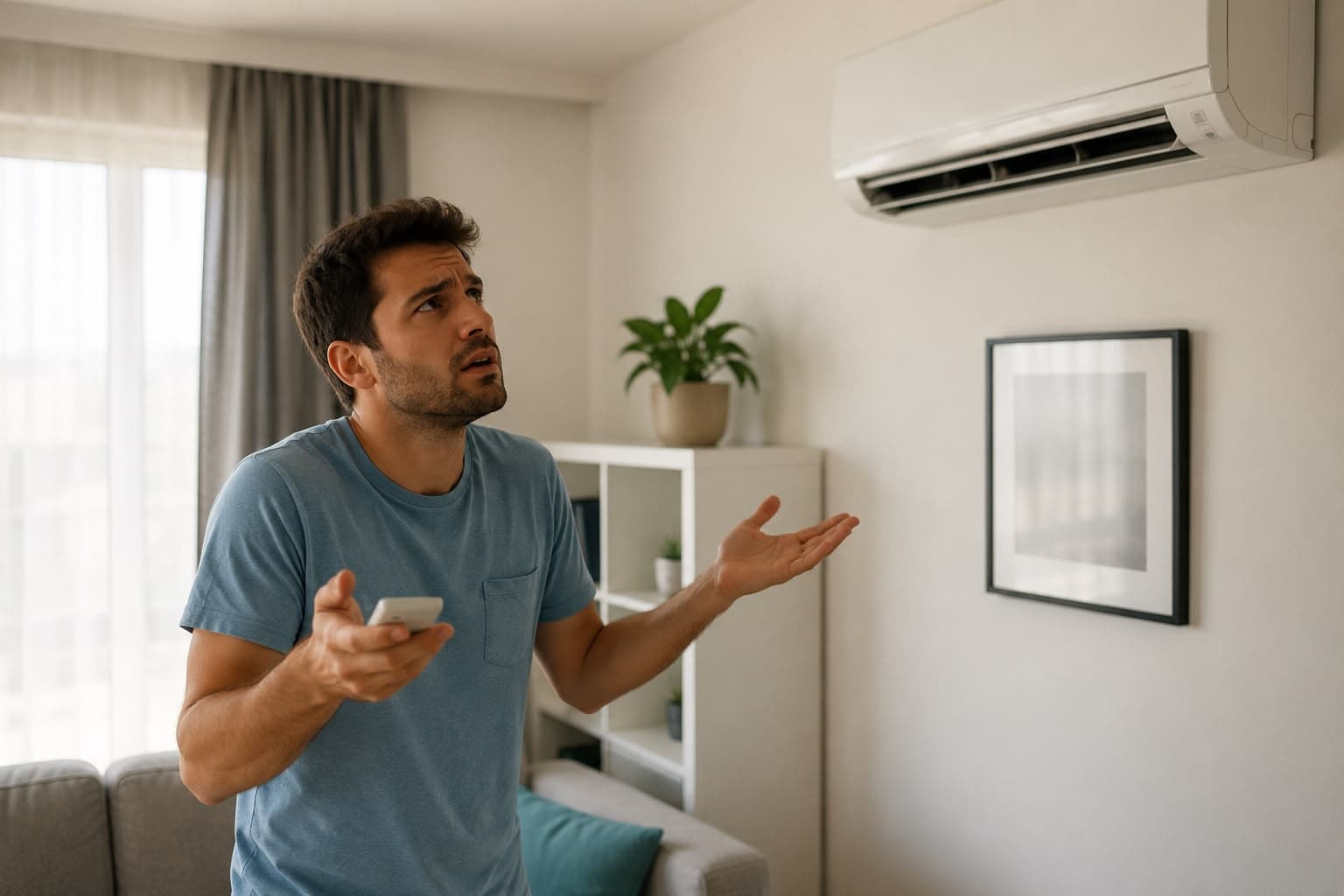

You walk into your house, the AC is running, and the temperature seems fine ... but the air still feels sticky.
You may notice it after coming inside from the Texas heat. The thermostat says 72°F or 74°F, but the house doesn’t feel as comfortable as it should. Sometimes the rooms feel damp, the air feels heavy, or certain areas of the house just never seem to feel right.
So why does this happen?
Your air conditioner does more than lower the temperature. It also removes moisture from the indoor air. When something isn’t working properly, your AC may cool the house without removing enough humidity.
Here are some of the most common reasons your home may still feel humid while the AC is running.
1. Your AC May Be Too Large for Your Home
A bigger AC isn’t always better.
If an air conditioner is oversized for the home, it can cool the temperature very quickly and shut off before it has enough time to remove moisture from the air.
This can be especially noticeable during humid Texas weather. The thermostat reaches the temperature you selected, but the humidity doesn’t have enough time to come down.
If your system is turning on and off frequently, it’s worth having the system checked rather than simply lowering the thermostat.
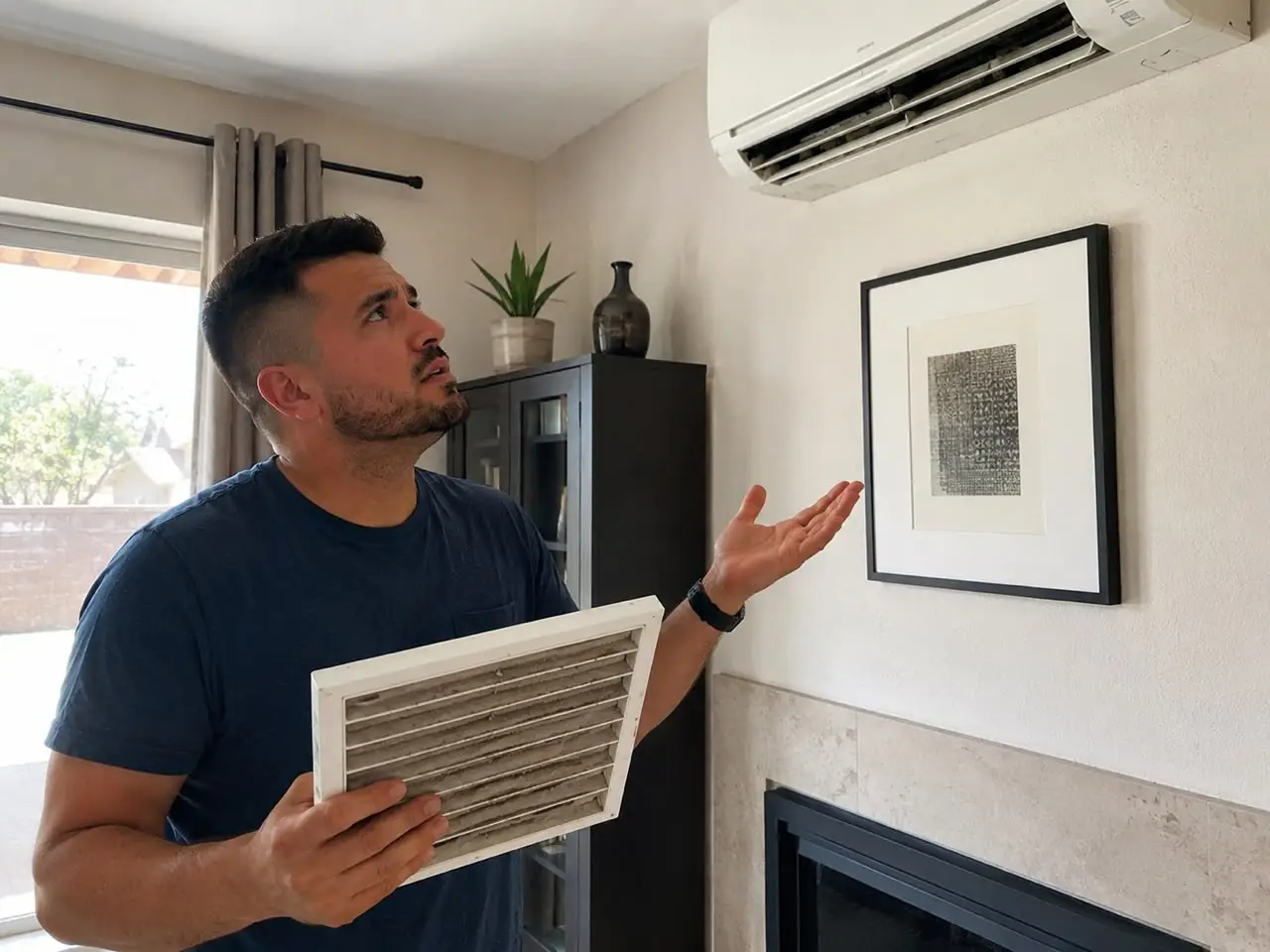
2. The Air Filter Is Dirty
A dirty air filter can restrict airflow through your HVAC system.
When airflow is reduced, your AC may struggle to operate properly. You might notice weaker airflow from the vents, rooms that don’t feel comfortable, or longer cooling cycles.
Changing the filter regularly is one of the simplest things a homeowner can do to help the system operate properly.
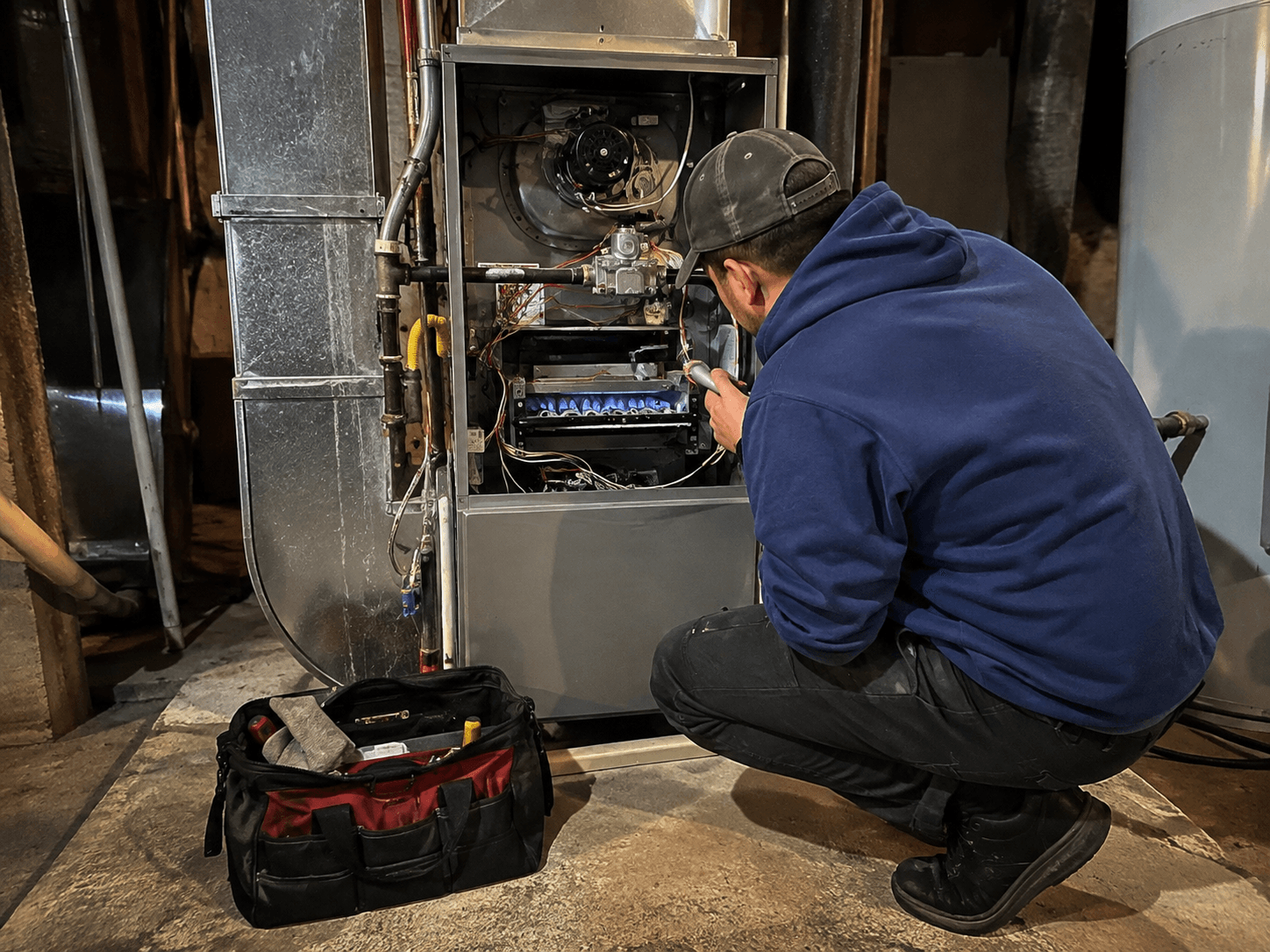
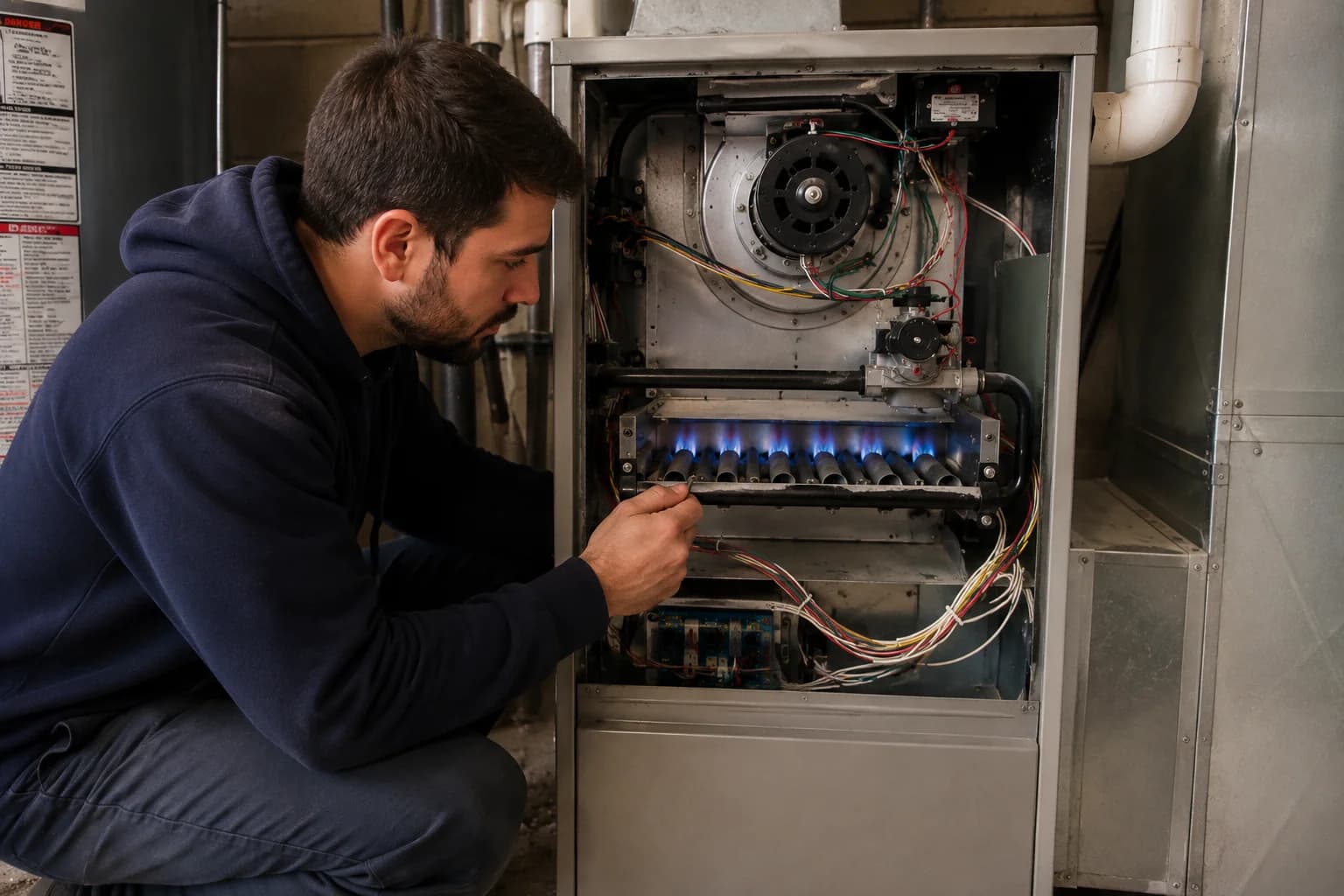
If the filter is clean but you’re still having comfort problems, professional AC Maintenance can help identify issues that aren’t obvious from a basic filter check.
3. Your AC Isn’t Running Long Enough
It may sound strange, but an AC that reaches the desired temperature too quickly can sometimes leave too much moisture behind.
The cooling coil needs enough operating time to pull humidity from the air. If your system frequently short-cycles, the house can feel damp even though the thermostat shows the right temperature.
Short cycling can have several causes, including sizing problems, thermostat issues, airflow restrictions, or equipment problems.
That’s when a proper Thermostat Services or HVAC inspection can be useful.
4. There Could Be a Problem With the Evaporator Coil
The evaporator coil is an important part of the cooling process. Warm indoor air passes over the cold coil, and moisture is removed as the air is cooled.
If the coil is dirty, frozen, or not operating correctly, your system may not remove moisture as effectively as it should.
This isn’t something most homeowners should try to diagnose themselves. If you’re seeing ice around the indoor unit or noticing a major change in cooling performance, it’s better to have a professional take a look.
5. Your Condensate Drain May Be Blocked
When your AC removes moisture from indoor air, that water needs somewhere to go.
The condensate drain carries the water away from the system. If the drain becomes clogged, water can back up and the AC may not handle humidity properly.
In some cases, you may notice water around the indoor unit or an unusual amount of moisture near the system.
A blocked drain isn’t something you want to ignore because continued water buildup can eventually cause other problems.
6. Ductwork Can Also Affect Indoor Comfort
Your AC could be working correctly while your ductwork is causing problems.
Leaky, poorly insulated, or damaged ducts can affect how conditioned air moves through the house. This can create rooms that feel warmer or more humid than others.
If one part of your home always feels uncomfortable while the rest feels fine, the duct system is worth checking.
7. Texas Weather Can Make Humidity More Noticeable
Texas homeowners deal with some serious summer heat, but humidity isn’t the same everywhere.
Homeowners in Houston and other areas closer to the Gulf Coast can experience particularly humid conditions. In Dallas and Plano, summer heat can put long hours of demand on an AC system. Homeowners in Austin, Fort Worth, and San Antonio can also experience long cooling seasons where an HVAC system works hard for extended periods.
That doesn’t mean humidity problems are unavoidable.
It simply means your AC needs to be operating correctly and sized appropriately for your home.
What Can You Do If Your House Feels Humid?
Start with the simple things.
Check the air filter. Make sure your thermostat is set correctly. Look around the indoor unit for obvious signs of water or ice, and pay attention to whether the system is turning on and off unusually often.
If everything seems normal but the house still feels damp, don’t keep lowering the thermostat.
A colder thermostat setting won’t necessarily solve the underlying humidity problem.
Instead, having your system inspected can help determine whether the problem is related to airflow, the cooling coil, drainage, ductwork, thermostat settings, or the AC itself.
If your system is also struggling to cool the house, professional AC Repair may be the right next step.
If the system is older and you’re constantly dealing with comfort or performance problems, it may also be worth discussing whether AC Replacement makes more sense than continuing to repair an aging unit.
When Should You Call an HVAC Professional?
A little humidity isn’t necessarily a sign that your AC is broken.
But if your home consistently feels damp while the AC is running—especially if you also notice weak airflow, unusual cycling, water around the unit, ice on the system, or rising energy bills—it’s worth getting it checked.
A properly operating AC should do more than make the thermostat number look good. It should help your home feel comfortable.
Whether you’re in Dallas, Houston, Austin, Fort Worth, San Antonio, or Plano, getting the underlying problem identified is usually better than simply turning the thermostat lower and hoping for the best.